





One-to-One Specialist Appointment
Our specialists will interpret your scan and provide comprehensive analysis and advice during your appointment.


A Private Fibroid Ultrasound Scan locates and precisely measures uterine fibroids, giving you a complete picture of what is happening and why.
Our specialist senior sonographers perform both transabdominal and transvaginal ultrasounds to ensure no fibroid is missed, however small or complex the picture. You leave with same-day results, a detailed written report, and a clear understanding of what to do next.
£260
Your Ultrasound Checks For
Our specialists will interpret your scan and provide comprehensive analysis and advice during your appointment.

You do not require a referral before booking an appointment with our clinic, giving you complete control of your health.

We aim to provide results to you on the day of your visit. Our specialist senior sonographers will explain their findings during your ultrasound examination.

Following your appointment, a complete digital report of your ultrasound examination will be directly emailed to you securely, using our digital portal.

In addition to the report, images of your scan will be sent for you to share with a healthcare specialist of your choice.
You might need a Fibroid Ultrasound if you are experiencing heavy or prolonged periods, pelvic pressure (a sensation of fullness, heaviness, or aching in the lower abdomen, pelvis, or vaginal area), lower-back ache, frequent need to urinate, pain during sex, or unexplained difficulty conceiving.
A scan is also the right next step if your GP has felt a bulky or irregular uterus on examination, or if fibroids have been mentioned on a previous scan and you want a clear, expert second look at our London clinic.
Fibroids are extremely common. They affect up to two in three women at some point, and most are completely harmless. But because symptoms can mimic other gynaecological conditions, imaging is the only reliable way to confirm what is actually going on. The sooner you know, the sooner you can make confident decisions about treatment, start family planning and gain reassurance.
Many women have fibroids with no symptoms at all and find them by chance on another scan. When fibroids do cause symptoms, the most frequently reported are:
Heavy, prolonged or painful periods, sometimes with clots or flooding.
Bleeding between periods or after sex.
Pelvic pressure, fullness or a noticeably swollen lower abdomen.
Lower-back or leg pain.
Needing to pass urine more often, or difficulty emptying the bladder.
Constipation or bloating.
Pain or discomfort during sex.
Difficulty conceiving, or recurrent miscarriage.
Iron-deficiency anaemia from ongoing heavy bleeding.
If you recognise more than one of these, a fibroid ultrasound is the quickest way to find out whether fibroids are the cause, and how best to manage them.
In the vast majority of cases, no. Uterine fibroids are benign. They are not cancerous and they do not turn into cancer. Many women live with fibroids for decades without ever needing treatment.
That said, fibroids can affect quality of life. Large or numerous fibroids may cause heavy bleeding leading to anaemia and exhaustion, press on the bladder or bowel, or distort the uterine cavity in ways that affect fertility or pregnancy. Very rarely, a fibroid can twist on its blood supply (torsion) or degenerate during pregnancy, both of which cause sudden pain.
A clear fibroid ultrasound report tells you exactly what you are dealing with, so you can decide whether to monitor or treat it if need be.
A fibroid ultrasound uses safe, pain-free sound waves, with no radiation, no needles, no contrast injection. There are two complementary techniques and we use both in the same appointment to give you the most complete picture:
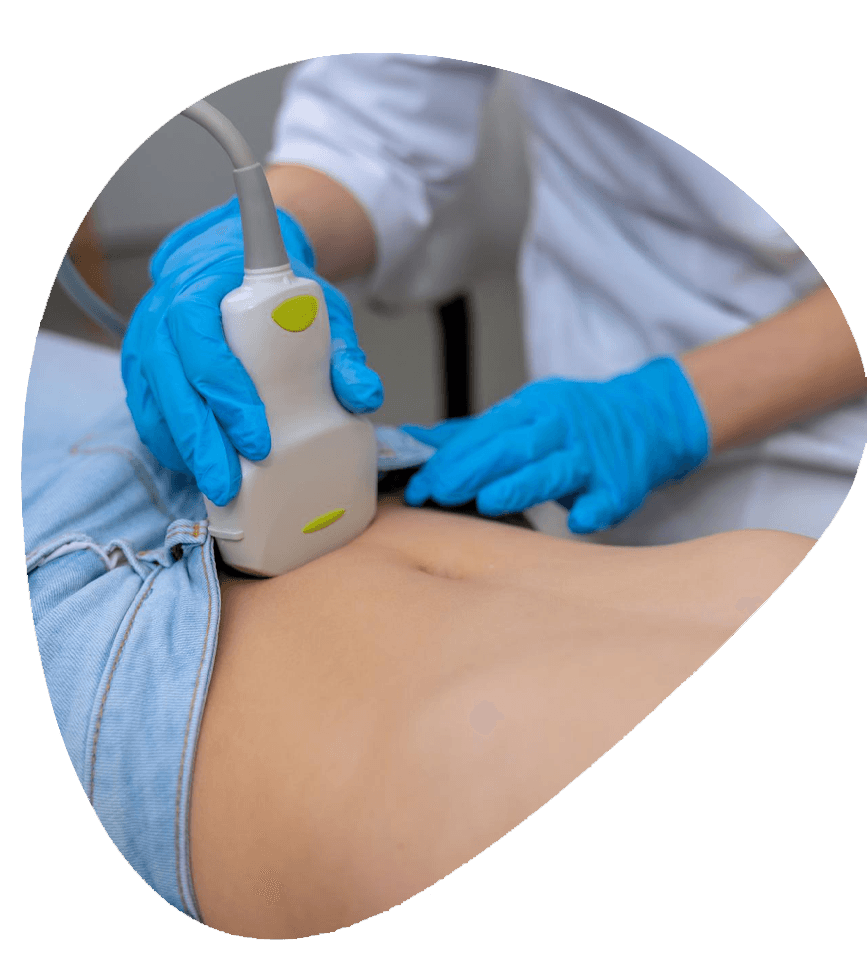
Transabdominal ultrasound: a probe is moved gently across your lower abdomen after a small amount of clear gel is applied. This shows the overall size and shape of the womb and any larger fibroids.
Transvaginal ultrasound (TVS): a slim, lubricated probe (about the size of a tampon) is placed in the vagina. This gives a much closer, higher-resolution view of the womb lining, smaller fibroids and the ovaries.
We also use Colour Doppler ultrasound to map the blood supply to each fibroid. This technique shows the speed and direction of blood flow within the surrounding vessels, helping us assess how active each fibroid is and whether it is likely to be growing. This information is particularly valuable if you are considering uterine artery embolisation (UAE), a minimally invasive treatment that works by cutting off the blood supply to the fibroid.
Because ultrasound carries no health risks, you can feel comfortable and confident throughout.
The scan is carried out by a female specialist senior sonographer at our London clinic, unless you request otherwise, and you can pause or stop at any point.
The appointment unfolds in three parts:
Transabdominal scan: you'll lie on your back and a small amount of warm gel will be applied to your lower abdomen. The sonographer moves a smooth, hand-held probe over the area to map the womb and any larger fibroids. You shouldn't feel any pain. If you do, let your sonographer know.
Bathroom break: you will be invited to empty your bladder before the transvaginal part.
Transvaginal scan: you will lie on your back with your knees bent and legs supported by a privacy sheet. A slim, lubricated probe is gently inserted into the vagina. The lubricating gel may feel cool at first but will soon warm to body temperature. The scan should not hurt. Notify your sonographer if you feel any discomfort.
Your sonographer will explain findings on the screen in real time, so by the end of your appointment you will already have a clear picture of what was seen.
For the transabdominal part of your fibroid ultrasound you will need a comfortably full bladder, so please drink about one litre of water (around four large glasses) in the hour before your appointment and try not to empty your bladder before you arrive. A full bladder pushes the bowel out of the way and lets the womb show up more clearly on the scan.
The transvaginal part is best performed with an empty bladder, so you'll have the chance to use the bathroom between the two parts of the scan. There is no need to fast, and you can take any regular medication as normal.
You can have the scan at any point in your menstrual cycle, including during your period. Please don't postpone the appointment for that reason. If you are particularly concerned about the womb lining, days 5-10 of your cycle give the clearest view.
A fibroid ultrasound is extremely safe and pain-free. The process involves no radiation, no needles and no contrast, and you should not experience any side effects before, during or after the scan. You can return to your regular day-to-day activities, including driving, work and exercise, immediately following your appointment.
A small amount of clear lubricating gel may remain after the transvaginal part, which is completely normal and clears on its own within a few hours.
You shouldn't have to wait around for important answers about your health. That's why, at Harley Street Ultrasound Group, we do same-day results.
Your specialist senior sonographer will share their findings with you in real time during the scan, so you leave the room with a clear understanding of what was seen. Your Full Medical Report with Tailored Advice and any recommended next steps will be ready the same day, along with high-resolution digital images of your scan.
You can view and share both the report and the images securely from any internet-connected device, including your smartphone, and forward them directly to your GP, gynaecologist or fertility specialist.
Once your scan is complete you are free to get dressed and carry on with your day as normal. There is no recovery time, no restrictions on eating, drinking or activity, and no need for time off work.
If fibroids are found and treatment may be helpful, your report sets out a straightforward path forward. Your Specialist will make sure you understand your options, which may include careful monitoring, medication, uterine artery embolisation, myomectomy or hysterectomy. They will ensure the right next steps are in place before you leave the clinic.
Fibroid position matters far more than size when it comes to fertility. Submucosal fibroids (those projecting into the uterine cavity) can reduce fertility, interfere with implantation and increase the risk of miscarriage. Intramural fibroids (within the muscle wall) may have an effect if they distort the cavity. Subserosal and pedunculated fibroids on the outer surface of the womb rarely affect fertility on their own.
During pregnancy, most fibroids cause no problems at all. A small number can grow under the influence of pregnancy hormones, cause pain if they outgrow their blood supply (known as red degeneration), or, depending on position, affect the baby's growth or delivery plan.
Our report identifies fibroid position precisely so your fertility specialist or obstetrician can advise on the best plan for you.
A private fibroid ultrasound at Harley Street Ultrasound is £260, all fees inclusive. There are no extra charges for the consultation, transabdominal and transvaginal scans, Colour Doppler imaging, time spent with the specialist senior sonographer, your full medical report or your high-resolution digital images.
What's included in the price:
One-to-one appointment with a female specialist senior sonographer
Comprehensive transabdominal and transvaginal scan plus Colour Doppler
Detailed written medical report with tailored advice
Same-day high-resolution digital images delivered to your secure portal
No referral required and no waiting list. Most patients are seen within 24 to 48 hours
We accept self-pay and most major UK private health insurers. If you have insurance, please contact your provider before booking to confirm your policy covers a private fibroid scan at Harley Street Ultrasound. Our team are happy to provide any clinical or pricing details they need.
Many of our patients worry that coming to us privately will somehow affect their NHS care. That simply is not the case.
Our goal is to give you answers as quickly as possible and get you on the right treatment path fast. No strings attached. When you come to us, you are seen by a qualified Specialist who can confirm or rule out fibroids the same day. If your situation needs urgent attention, our Specialist will write to your NHS GP advising them that you need an urgent appointment, and your report and images can be shared securely with any NHS team.
We don't want you to have to wait weeks for answers when it comes to your health. Getting answers quick means you gain peace of mind and the ability to move forward without unnecessary delays.
Our team are fully registered and regulated for practice in the United Kingdom. Our patients should expect nothing less.







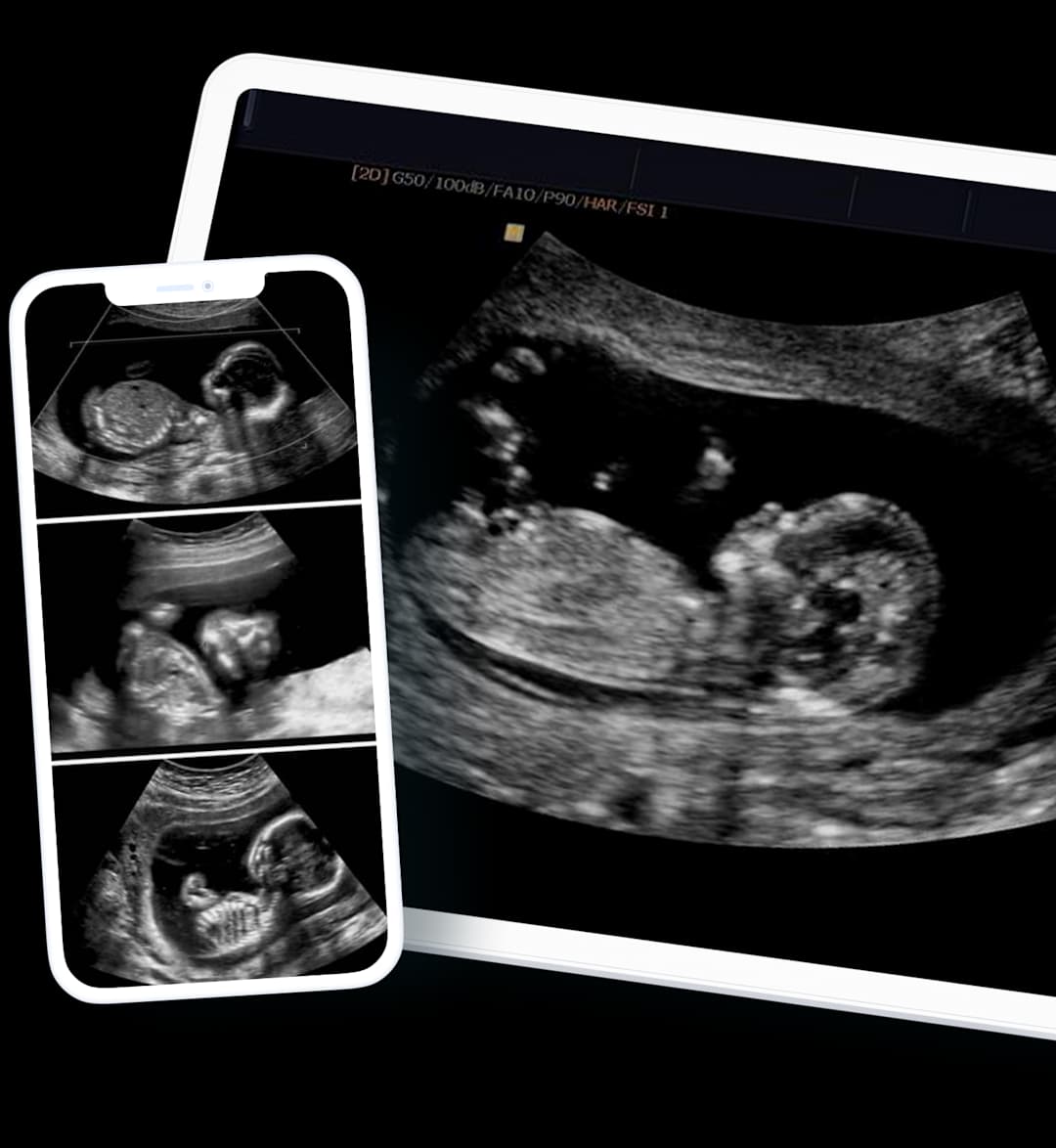
We can provide scan images directly to your smartphone, often on the same day following your appointment. Gain the peace of mind and insight you need, without delay.
Same-Day Results
Timely & Efficient
Share with your Doctor
We provide insight on a range of topics, including the latest news affecting our practice.
Dr Tahir Hussein · May 2, 2023
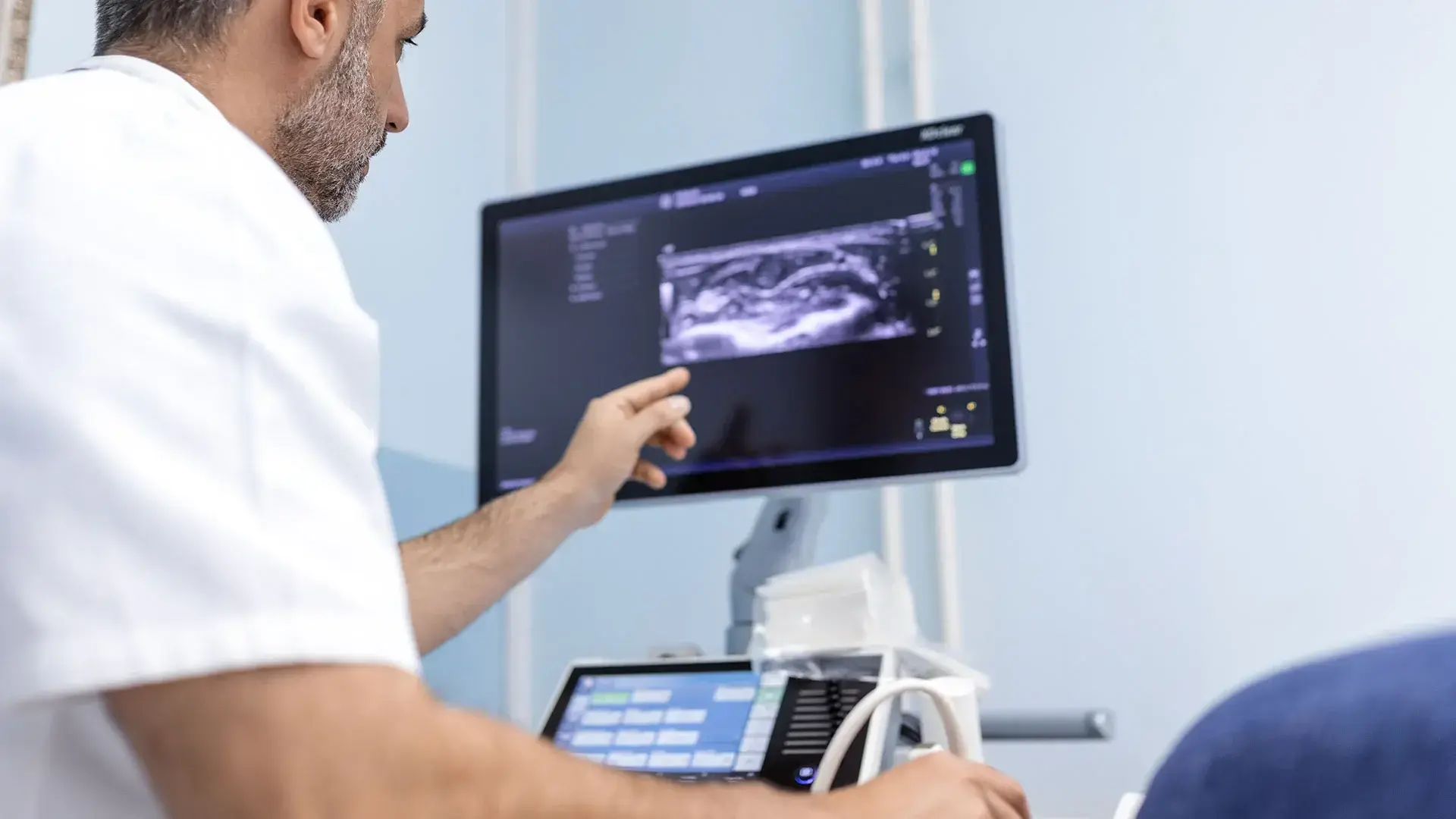
Testicular ultrasounds are a safe and non-invasive way for doctors to assess and diagnose abnormalities in the testicles. If you’re anxious about the procedure, don’t worry—it’s natural to feel that way.
Heba Alkutbi · February 8, 2024
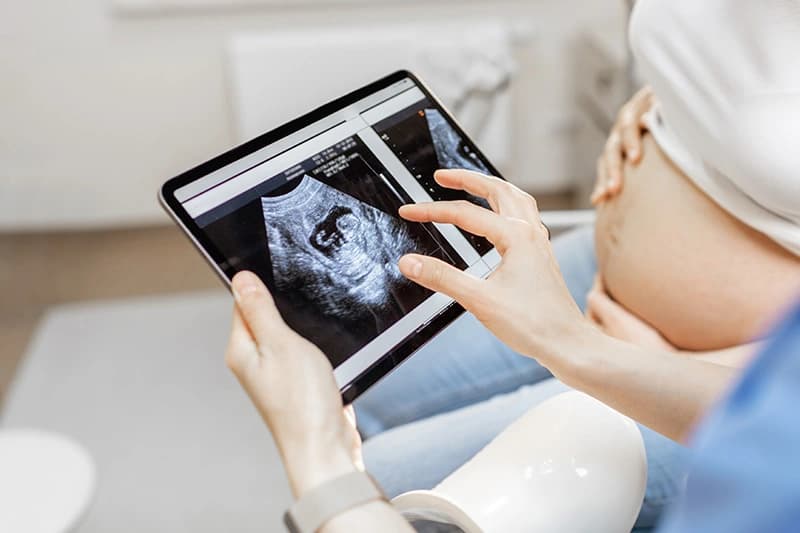
Pregnancy is a journey filled with moments of joy and anticipation, and the anomaly scan—or anatomy scan—is a significant and exciting milestone. This article will guide you through what an anomaly scan is, what to expect during the procedure, the findings you might encounter, and how to interpret the results.

Heba Alkutbi · April 23, 2023
A commonly used test is the Non-Invasive Prenatal Test (NIPT), also known as the Prenatal Test. The test is designed to screen the foetus for genetic conditions and chromosomal abnormalities.

The team at Harley Street Ultrasound Group is made up of Specialist Consultants and Specialist Sonographers you can rely upon. They are among the best in the industry.
This is backed up with a full range of qualifications and accreditations. All of our specialists are fully registered with all applicable medical regulatory bodies.


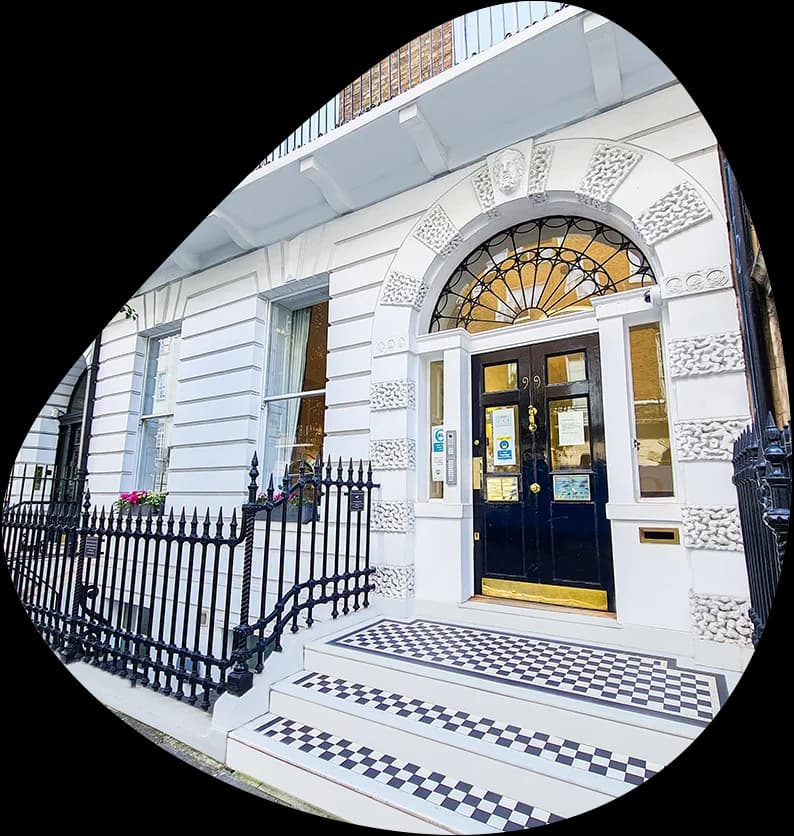
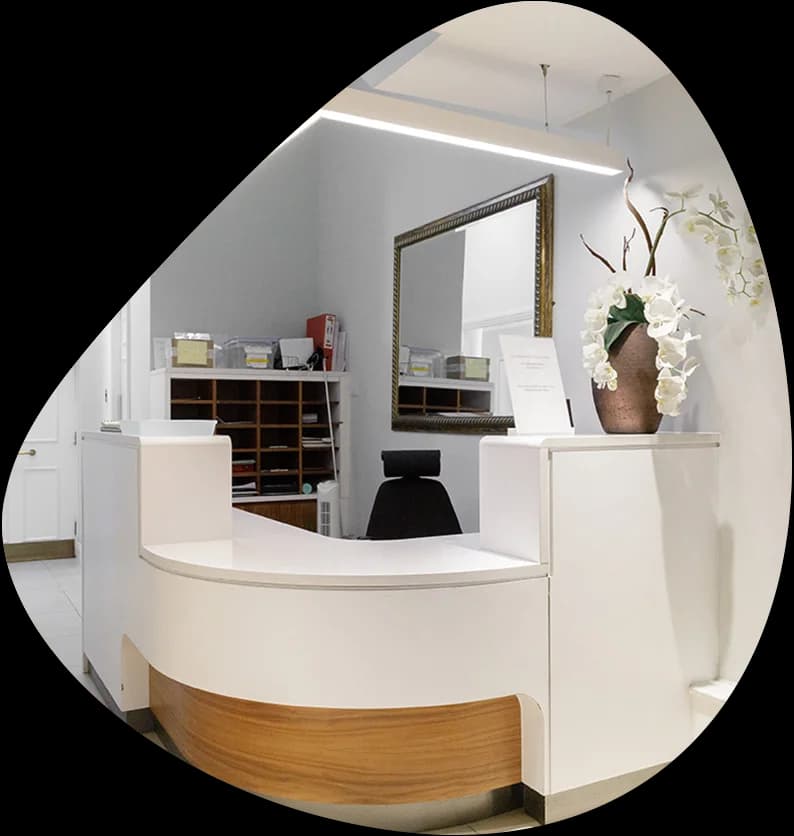

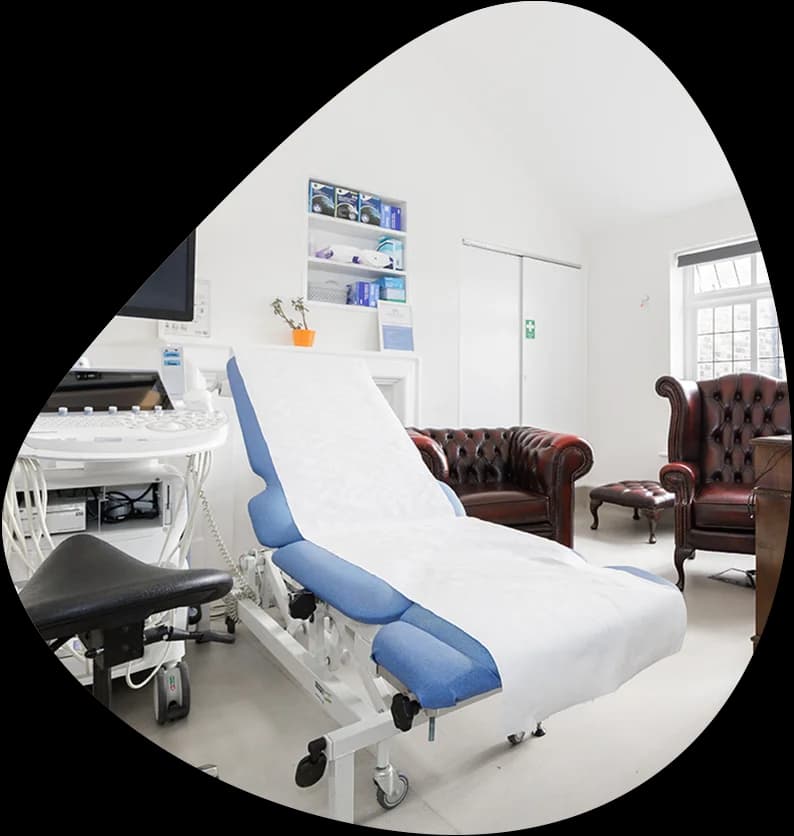
We are committed to providing a high standard of care to our patients. Take a look at some of the incredible responses we have received.